
Discover the Land of Diversity, Culture, and Timeless Beauty
Incredible India: Top Destinations to Explore This Year
Top Travel Destinations in India for First-Time Visitors
If you’ve ever sat in a newsroom or worked around travel PR desks, you’ll notice one thing quickly—India is always “in demand". Not just in headlines, but in real curiosity. Every year, first-time visitors show up with the same mix of excitement and confusion. And honestly, I get it. India doesn’t behave like a single story; it feels like many stories happening at once.
And then… where do you even begin?
Let’s talk about a few places that keep coming up in media notes, brand campaigns, and press briefs. Not because they’re trendy, but because they actually stay with people.
Thiruvananthapuram: calm, coastal, and quietly underrated
There’s something almost gentle about Thiruvananthapuram. It doesn’t try too hard, which is rare for a capital city. In travel PR circles, it often gets positioned as a “gateway to Kerala", but that feels too simple.
The beaches, the old temples, the pace of life—it all slows you down without asking permission.
If you’re planning seriously, the best time to visit Thiruvananthapuram usually comes up between October and February. Cooler weather, less humidity, and easier movement. I’ve seen this line repeated in too many tourism drafts, but it holds up.
Ever noticed how coastal cities change your sense of time? You plan less and you observe more. Kind of strange when you think about it.
McLeod Ganj: where silence feels like content
Then there’s McLeod Ganj. In media coverage, it often gets framed as a “hill escape", but that undersells it. It’s more like a pause button that somehow got turned into a destination.
The best places to visit in McLeod Ganj usually include monasteries, small cafés tucked into corners, and walking trails that don’t really announce themselves. You just find them.
I once read a travel feature draft where the writer said, "You don’t really plan McLeod Ganj—you absorb it.” Sounds a bit dramatic, but not fully wrong.
And here’s the thing… Why does silence feel louder there?
Anyway, it’s one of those places first-time visitors don’t expect to remember so clearly.
Alleppey: water, movement, and slow budgeting decisions
Now, Alleppey shows up in almost every travel campaign about Kerala backwaters. It’s photogenic, yes, but also logistically interesting from a media planning perspective—boat stays, houseboat packages, seasonal pricing, and all of it.
If you’re trying to budget an Alleppey trip from Delhi, you’ll notice how quickly numbers shift depending on the season and stay type. Flights, trains, boats—it stacks up differently than typical hill travel.
I mean, people often underestimate water-based travel costs. Not sure why that still surprises first-timers.
But when you’re actually floating through those backwaters, budgets feel… abstract for a while.
Amritsar: energy, crowds, and a kind of emotional pull
There’s a reason Amritsar keeps appearing in both tourism ads and documentary storytelling. It has intensity. Not loud in a chaotic way, but deeply present.
If you’re looking for things to do in Amritsar, the Golden Temple experience usually leads the list, followed by food streets, heritage walks, and the Wagah Border ceremony.
From a press perspective, Amritsar is interesting because it doesn’t need exaggeration. It already performs its emotion in real time.
Ever noticed how some places don’t let you stay neutral? You either feel moved or overwhelmed. Rarely anything in between.
And then there’s food. Always food.
Ayodhya: structure, faith, and modern visibility
In recent years, Ayodhya has moved from a historical reference to a major travel focus point again. Especially with the growing attention around Ram Mandir, Ayodhya.
An Ayodhya Ram Mandir darshan guide is now something travel desks regularly prepare, almost like standard operating content. Entry timings, crowd flow, local transport updates—it’s structured, but still emotionally charged.
From a media standpoint, what’s interesting is how coverage shifted here. It went from “heritage reporting” to “live experience planning".
Why does that matter more than we think? Because it changes how people prepare emotionally before they even arrive.
A quick thought worth sharing
First-time travel in India isn’t really about ticking destinations. It’s more like adjusting expectations in real time. Every city behaves like a different editorial style—some poetic, some factual, some chaotic but honest.
And honestly, I did not expect this when I first started looking at travel communication briefs years ago: how often emotion becomes part of logistics.
Anyway, whether it’s mountains in McLeod Ganj, backwaters in Alleppey, coastal calm in Thiruvananthapuram, street intensity in Amritsar, or the structured spiritual flow in Ayodhya—each place ends up reshaping how first-time visitors think travel “should” feel.
And maybe that’s the point.
Not perfection. Just experience, unfolding in its own timing.
Welcome to Incredible India
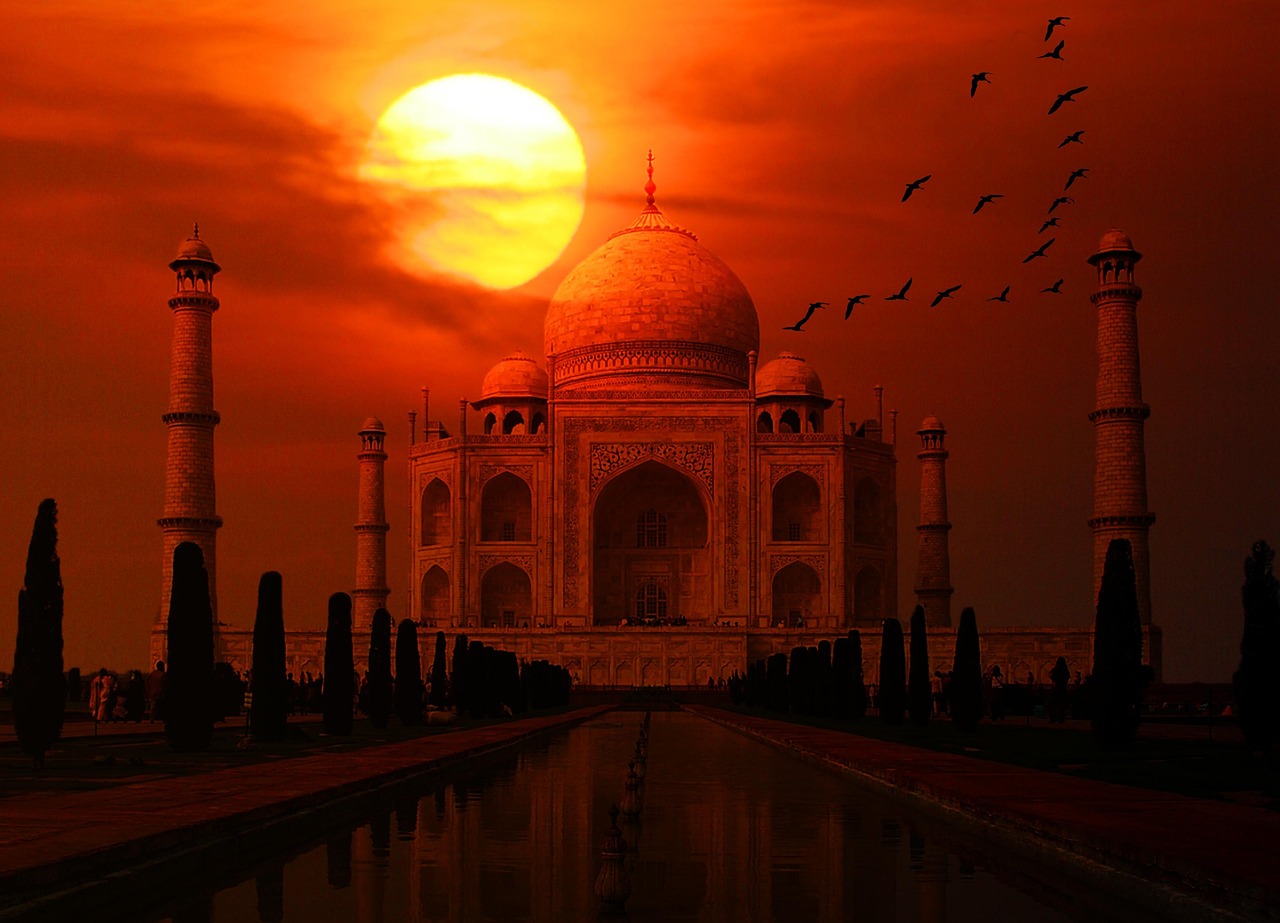
India is a land of breathtaking diversity - from the snow-capped Himalayas in the north to the sun-kissed beaches in the south, from ancient temples to modern metropolises. With a history spanning over 5,000 years, India offers travelers an unforgettable journey through time, culture, and natural beauty.
Essential Travel Tips for India
Make the most of your Indian adventure with these practical tips and recommendations.
Budget Tips
Travel during shoulder seasons, use local transport, eat at local restaurants, bargain at markets, consider guesthouses.
Best Time to Travel
North: Oct-Mar, South: Nov-Feb, Himalayas: Mar-Jun & Sep-Nov, Monsoon: Jun-Sep, Avoid peak summer.
Transport Suggestions
Indian Railways for long distances, metro in cities, auto-rickshaws for short trips, domestic flights, pre-book taxis.
Plan Your Incredible India Journey Now
Start planning your unforgettable adventure to discover the magic, culture, and beauty of India.
Contact Us
Incredible India Travel Guide
Email: emmaclark@yzcalo.com
Phone: +19707840507
Follow us on social media for travel updates